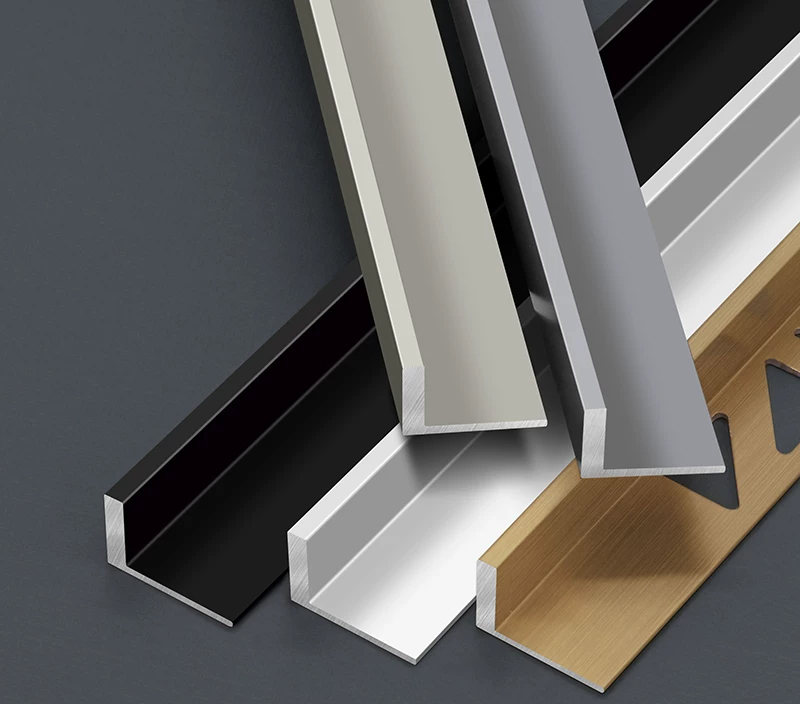
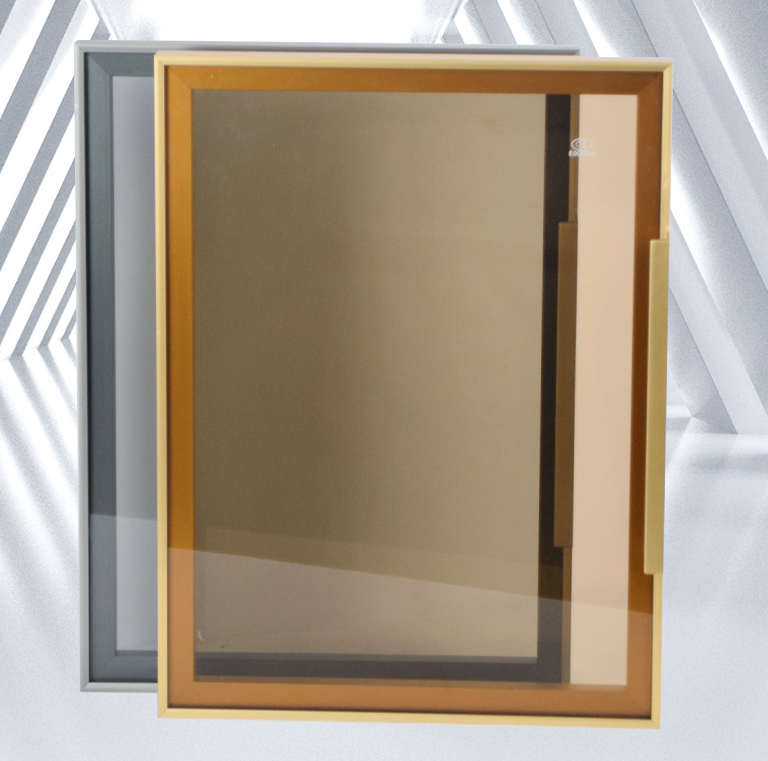
How to Choose Aluminum Extrusion for Glass Wardrobe Door
 |
 |
|
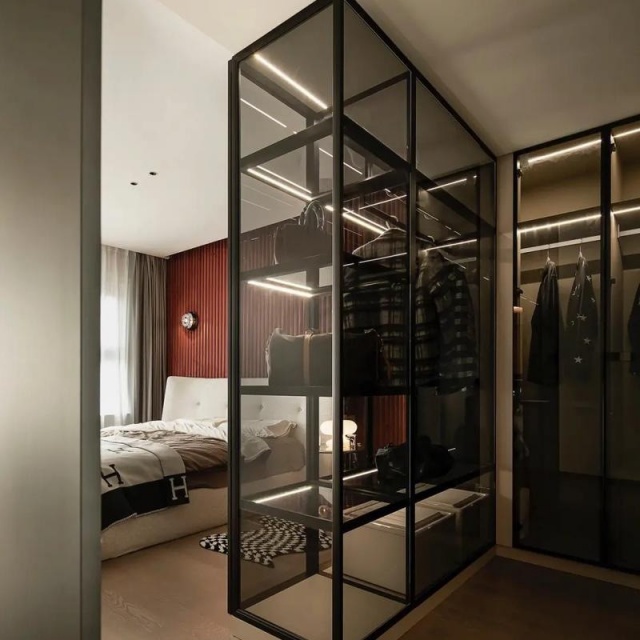
Glass wardrobe doors remain one of the most popular choices for modern bedrooms, walk-in closets and luxury residential projects. The look, stability, safety and service life of your glass wardrobe door largely depend on one core component: aluminum extrusion. Many cabinet factories and interior contractors make the mistake of picking low-cost thin aluminum profiles, only to face sagging glass, frame deformation, fading surface or broken doors after short-term use. If you are sourcing aluminum extrusions for frameless glass wardrobes, slim frame closet doors or sliding glass wardrobe systems, this guide walks you through every key factor to make the right selection. 1. Pick the Right Aluminum Alloy & TemperFor glass wardrobe door frames, 6063 T5 aluminum extrusion is the industry standard and our primary recommendation.
2. Profile Wall Thickness: The Most Critical Safety FactorWall thickness directly determines whether the frame can support the weight of glass panels. Glass, especially tempered glass, is heavy. Too thin profiles will gradually deform, causing sliding doors to jam or hinged doors to sag.
3. Profile Structure: Frameless, Slim Frame or Standard FrameDifferent installation styles require specially designed extrusion cross-sections.
When selecting, confirm the cross-section drawing first. Make sure the profile reserves space for gaskets, EPDM sealing strips and screws. Soft rubber gaskets between aluminum and glass prevent direct metal-glass contact and reduce the risk of glass cracking. 4. Match Extrusion Profile with Glass ThicknessYour aluminum groove size must fit your glass:
The inner groove of the aluminum extrusion should be slightly wider than glass plus gasket thickness. Too tight will squeeze glass; too loose causes shaking and rattling. 5. Surface Treatment Options for Glass Wardrobe AluminumThe finish decides appearance, fingerprint resistance and durability. For wardrobe applications, these are the mainstream options:
Avoid cheap spray paint without pretreatment. It peels easily, fades and leaves uneven marks after touching or cleaning. 6. Customization Ability for Cabinet ProjectsMost furniture factories need tailored aluminum extrusions for glass wardrobe lines. When choosing your supplier, check:
7. Certification & ComplianceFor exporting to Europe and North America, confirm the aluminum profiles meet relevant standards:
Common Mistakes to Avoid
ConclusionThe best aluminum extrusion for glass wardrobe doors starts with 6063 T5 alloy, proper wall thickness and a cross-section designed for glass clamping. Match the groove, structure and surface finish to your glass thickness and door type, whether it is slim sliding, hinged or frameless. Working with a reliable aluminum extrusion manufacturer helps you reduce deformation, glass damage and customer complaints in custom wardrobe projects. If you need standard or custom aluminum profiles for glass wardrobe doors, contact AILVKE for profile drawings, samples and wholesale quotation for cabinet factories and interior contractors. FAQQ: Is 6063 T5 the only option for glass wardrobe door extrusion? A: It is the most balanced and widely used. Special heavy-duty structures can use other alloys, but 6063 T5 is recommended for most custom glass wardrobe projects for surface quality and cost performance. Q: What wall thickness do I need for frameless tall glass wardrobe doors? A: We suggest 1.4 mm ~ 1.6 mm wall thickness, paired with 8 mm or 10 mm tempered glass. Q: Can you provide matched sliding track and frame extrusion in the same color? A: Yes. We supply complete sets of aluminum extrusion for glass wardrobe door systems and support unified surface color treatment. Q: Can I get free samples of the glass wardrobe aluminum profiles? A: Yes, we can provide profile samples for structure, thickness and color confirmation before bulk production. |